 Dining
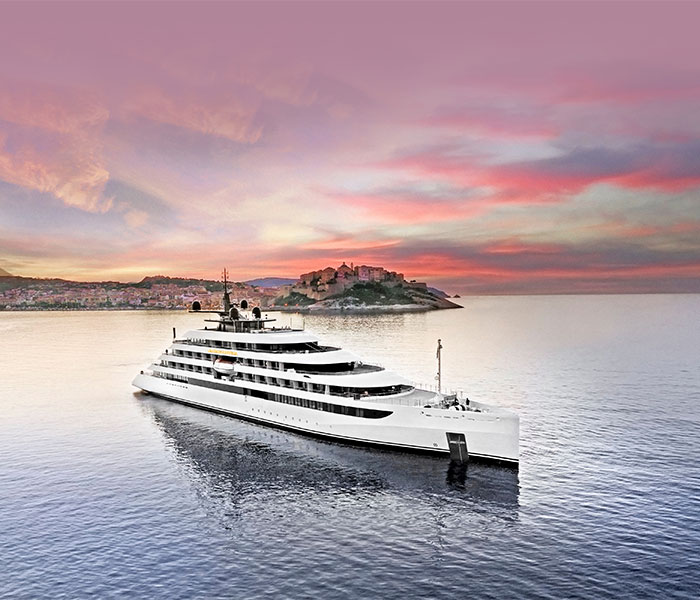
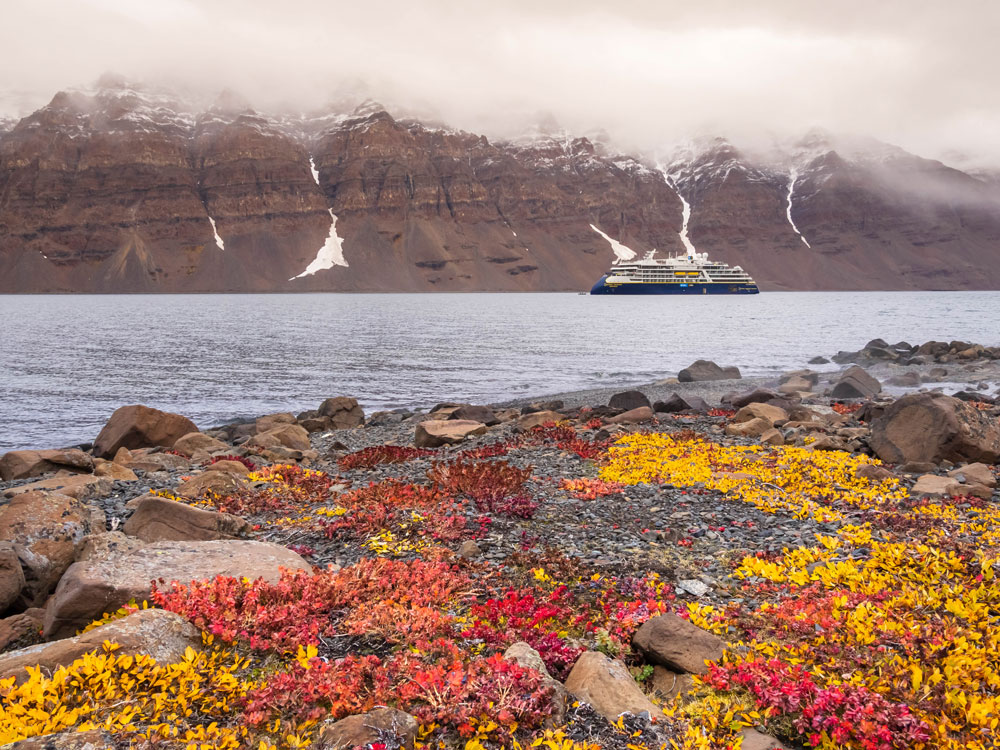
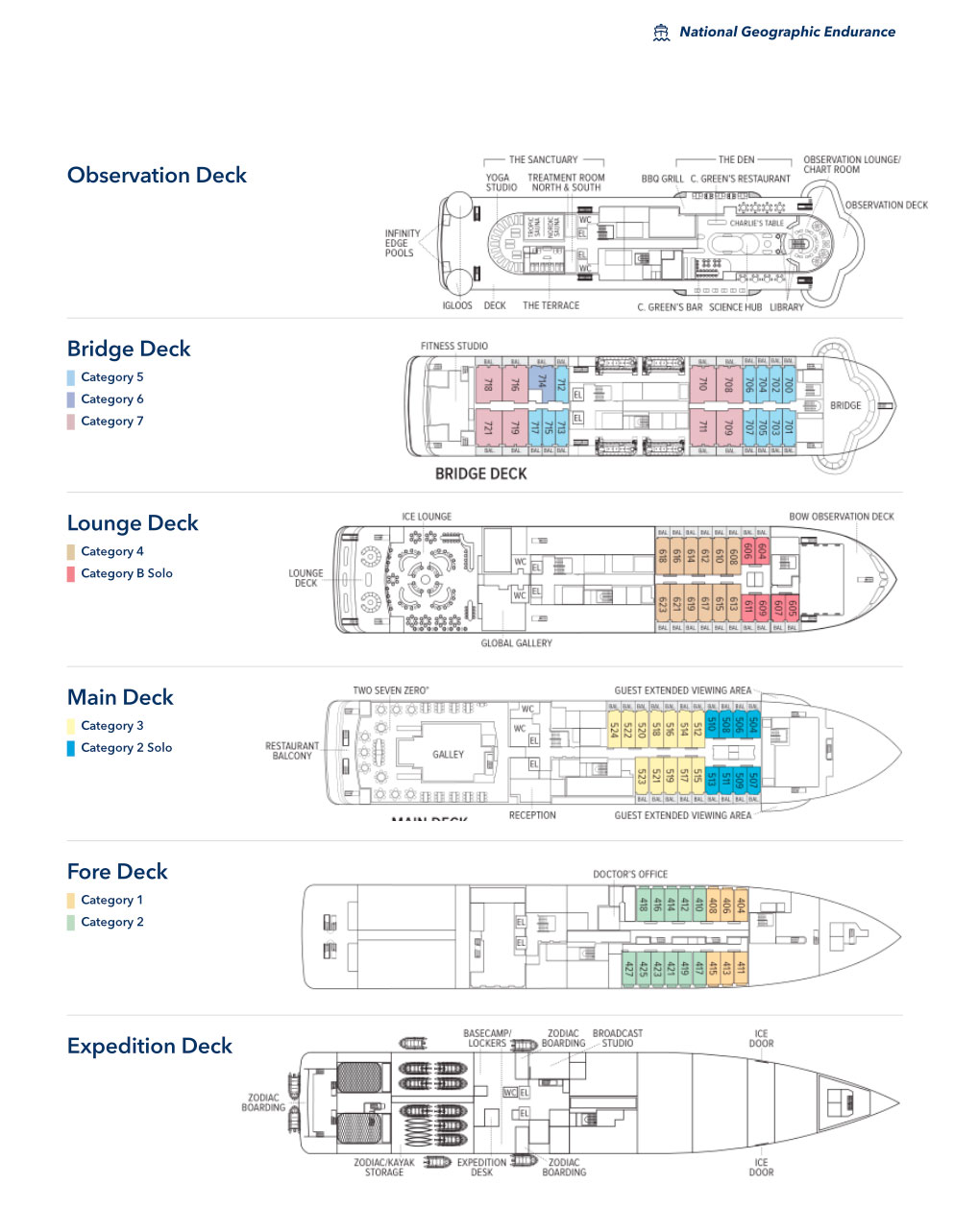
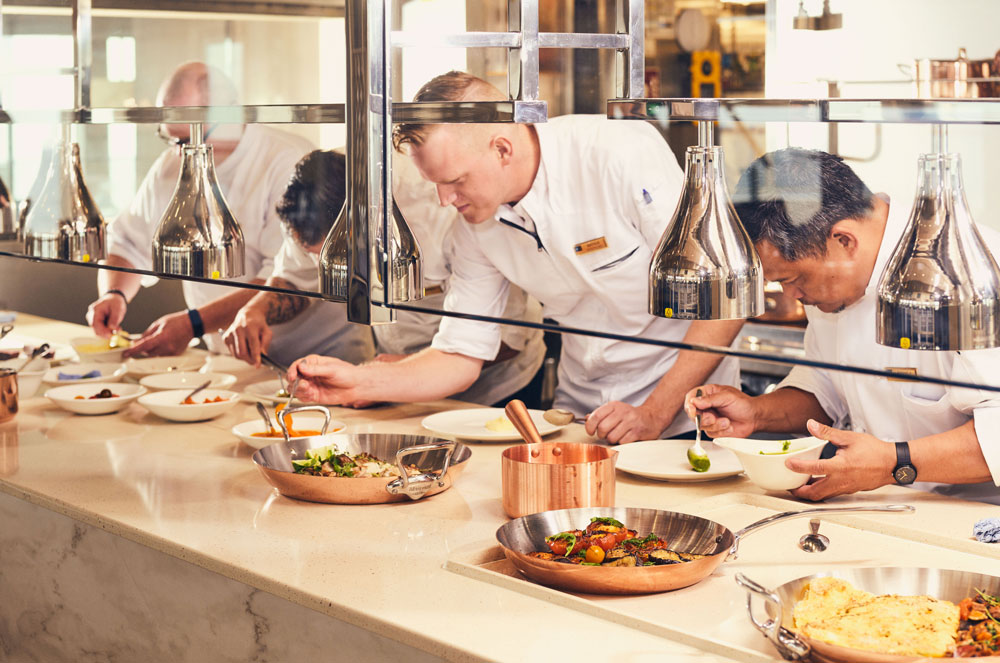
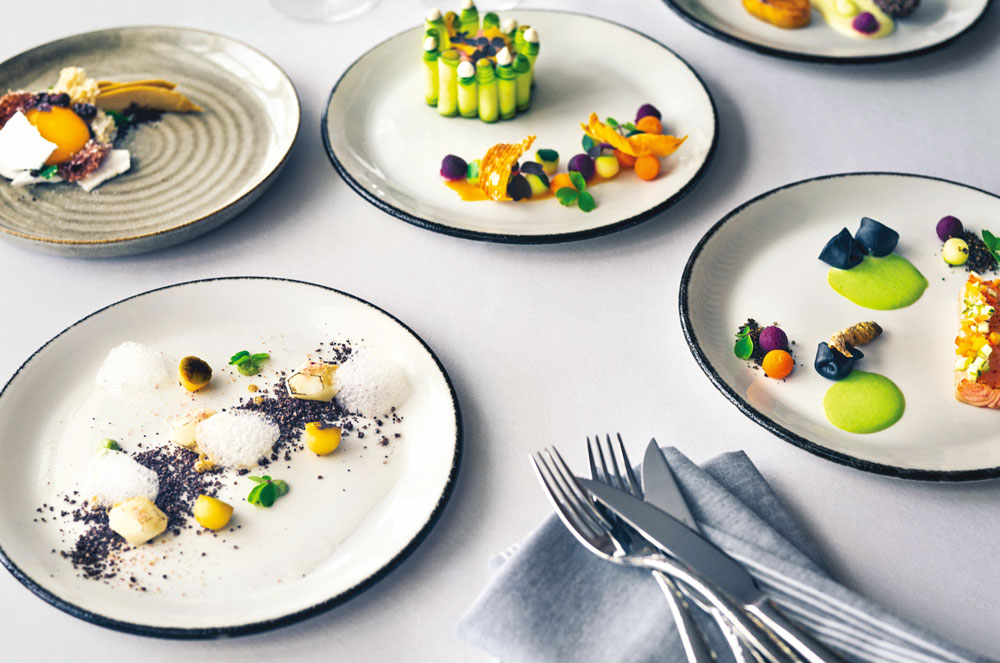
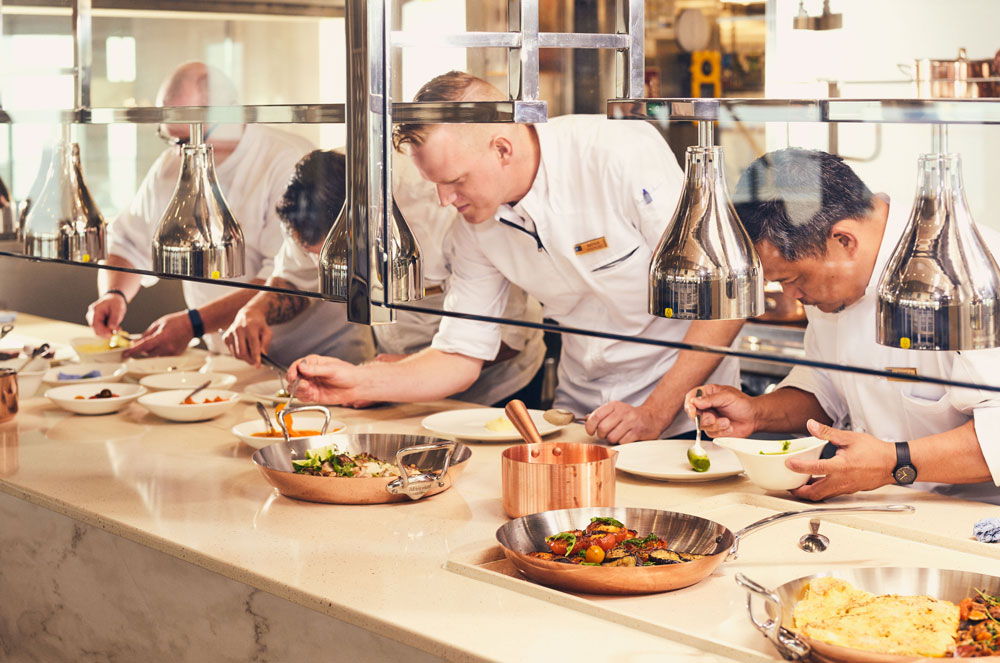
Food served aboard is fresh, local, delicious, and sourced from suppliers who share our values of sustainable use whenever possible. Meals aboard are almost always served in the dining room, located aft of the lounge deck. When weather conditions allow, lighter fare may be served on the observation deck. There is no assigned seating and our dining room accommodates the entire expedition community. During meals, your expedition leader, naturalists, and any guest speakers aboard will join you.
The ship features two restaurants, featuring local, sustainable choices and open seating for flexible, inclusive dining: plus, a Chef’s table for intimate, small group dining. The main restaurant has 270º views, and the Observation deck restaurant features lighter, made-to-order fare.
 Public Areas
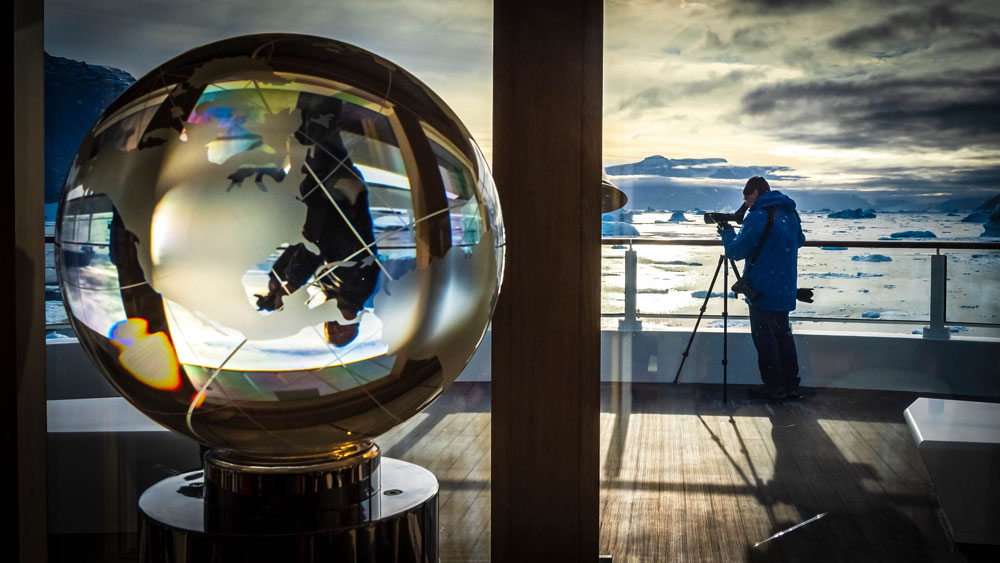
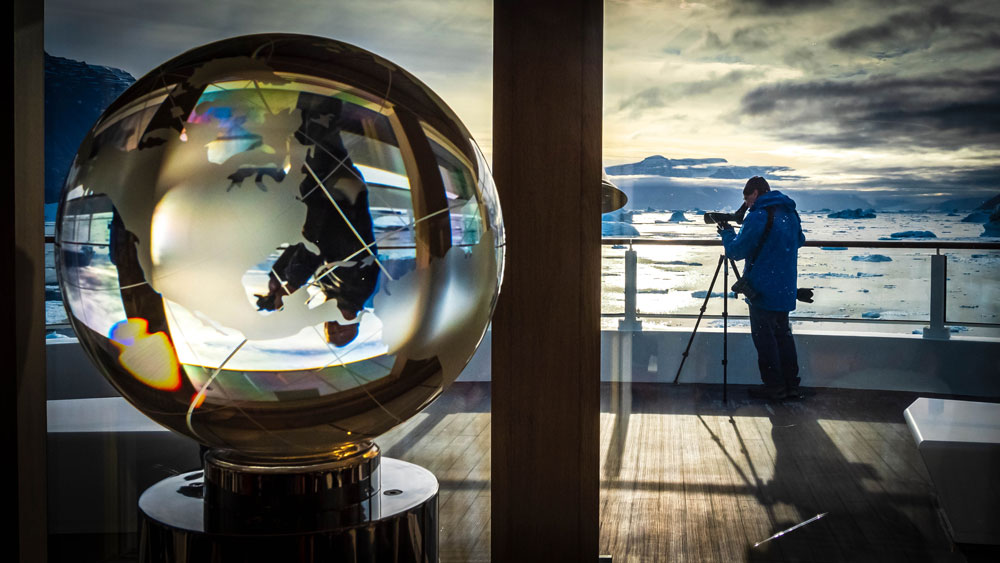
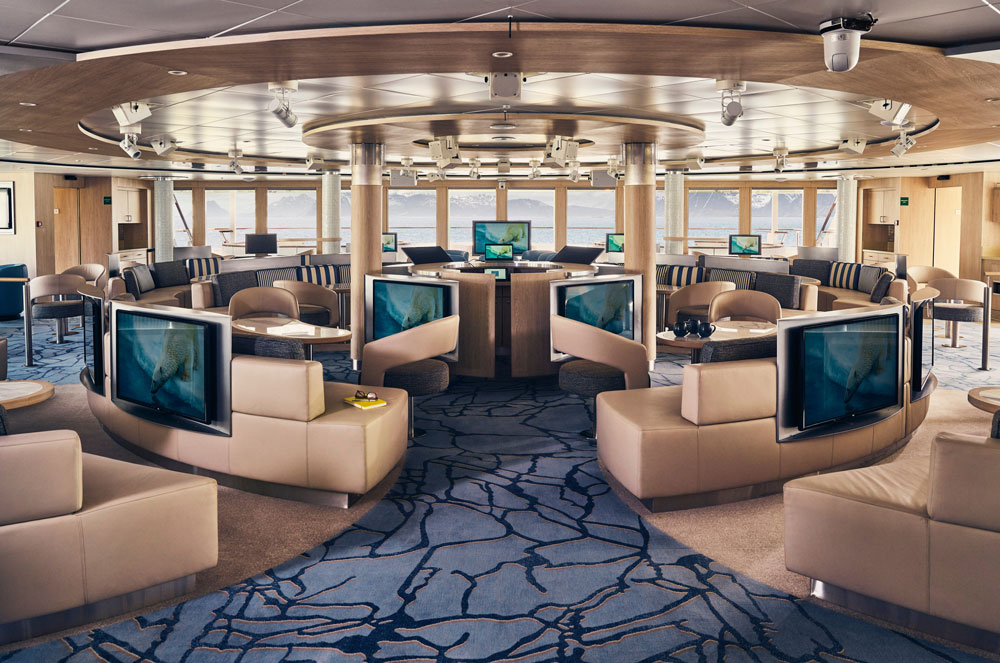
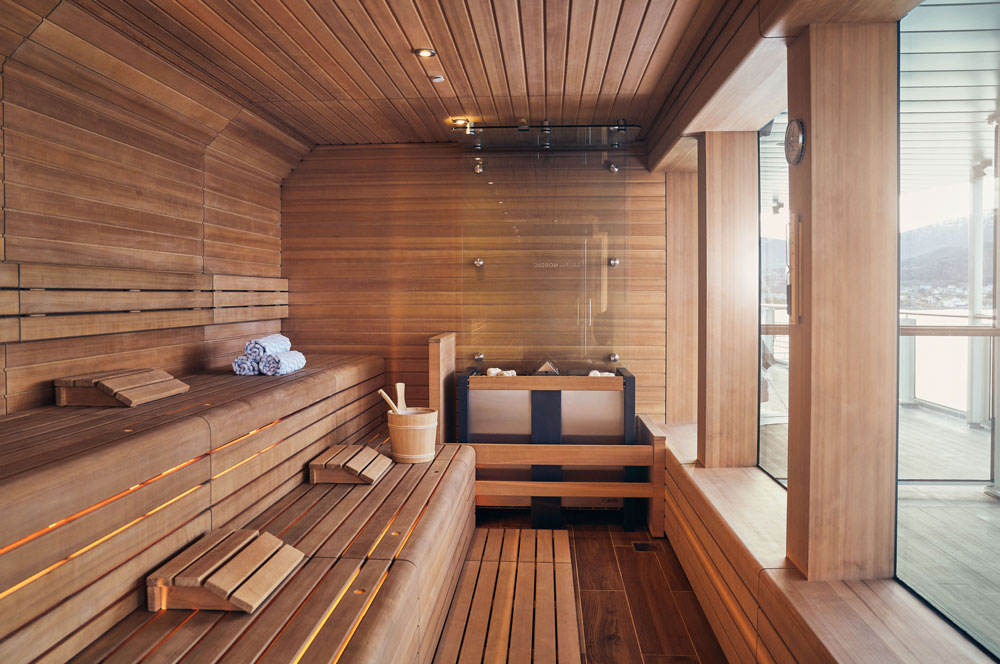
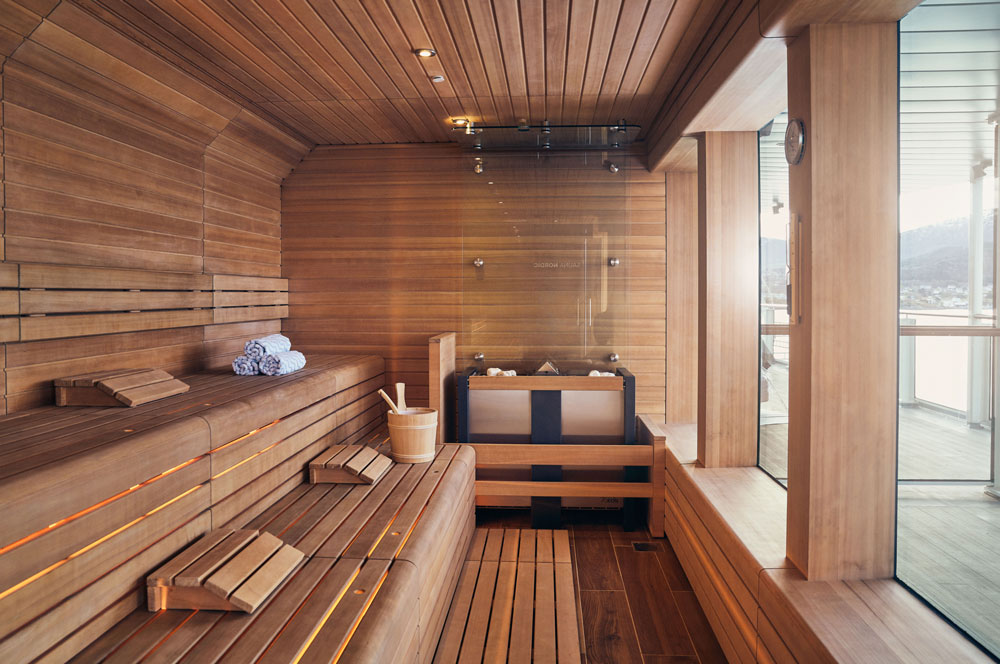
Public areas include an Observation Lounge with bar, gym, Wellness area, infinity-style outdoor hot tubs, library, main lounge with full-service bar, 24-hour beverage station, state-of-the-art facilities for films, slideshows and presentations, and a photo workshop area; plus, an expedition base with lockers for expedition gear, and an “open bridge” for access to our captain, officers and the art of navigation. The vessel is staffed by our wellness specialists and features a glass-enclosed yoga studio, gym, treatment rooms and spa relaxation area, and high- and low-heat saunas with ocean views.
Electronic charts
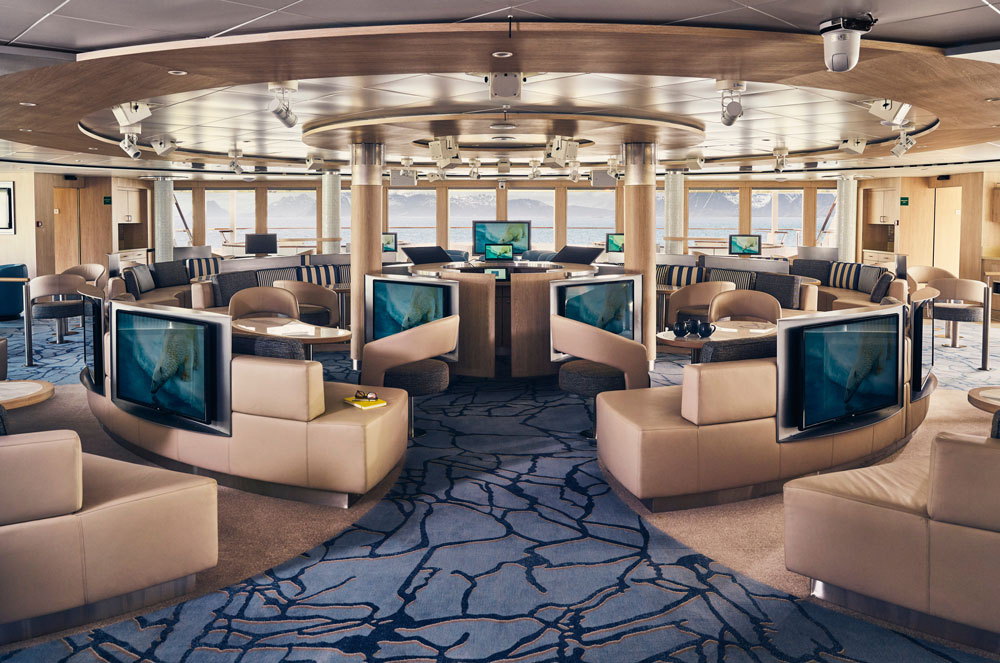
An electronic chart showing the ship’s location, course, and speed is almost always on display in the lounge.
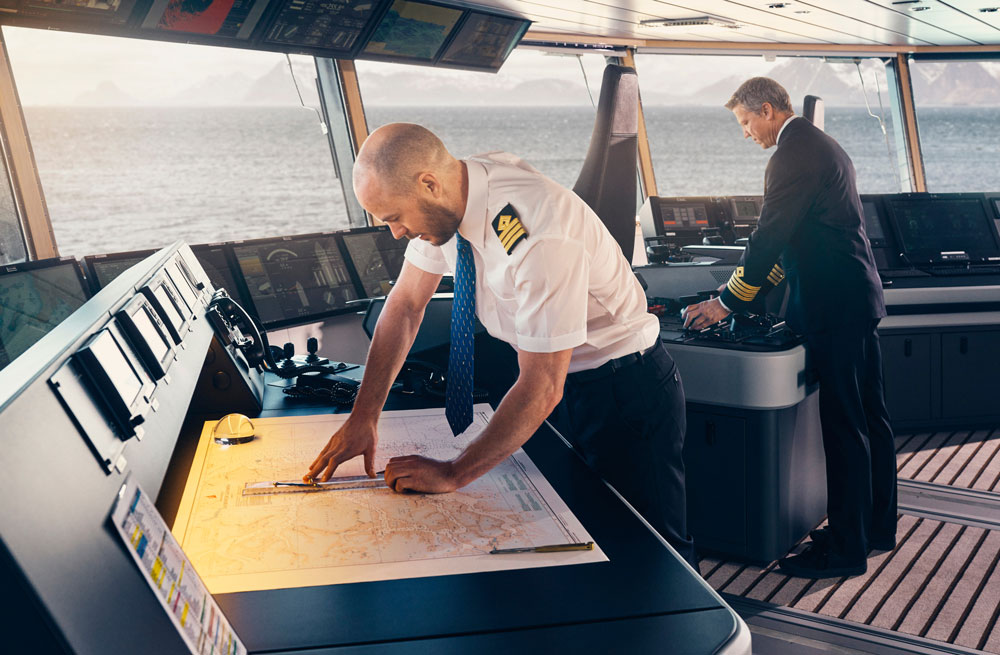 Open bridge
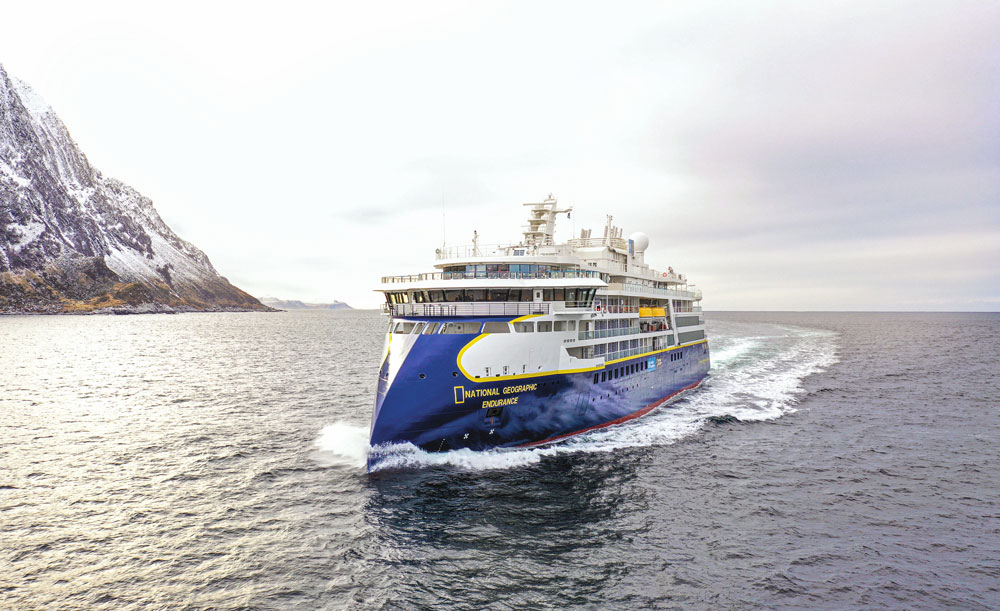
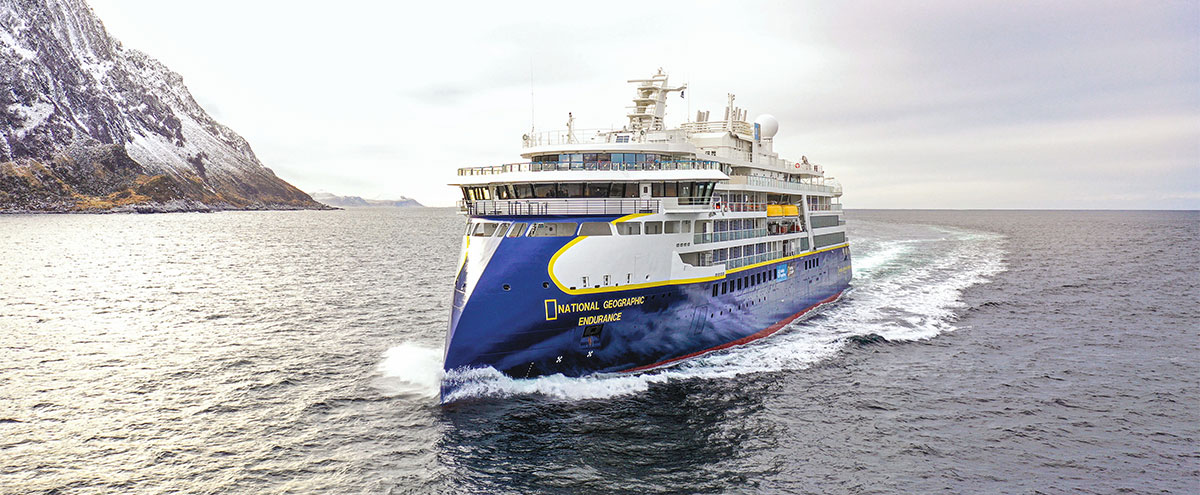
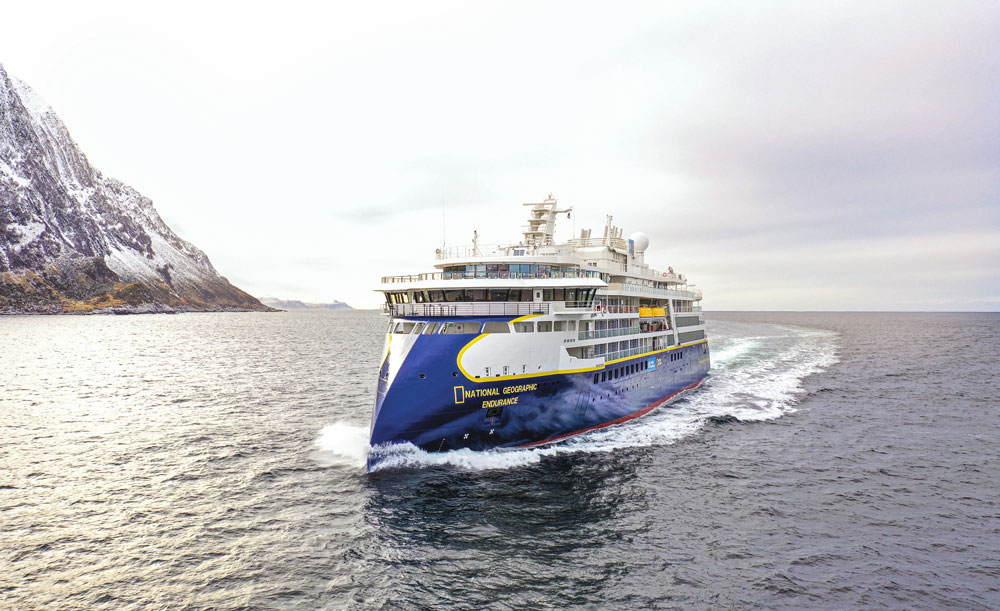
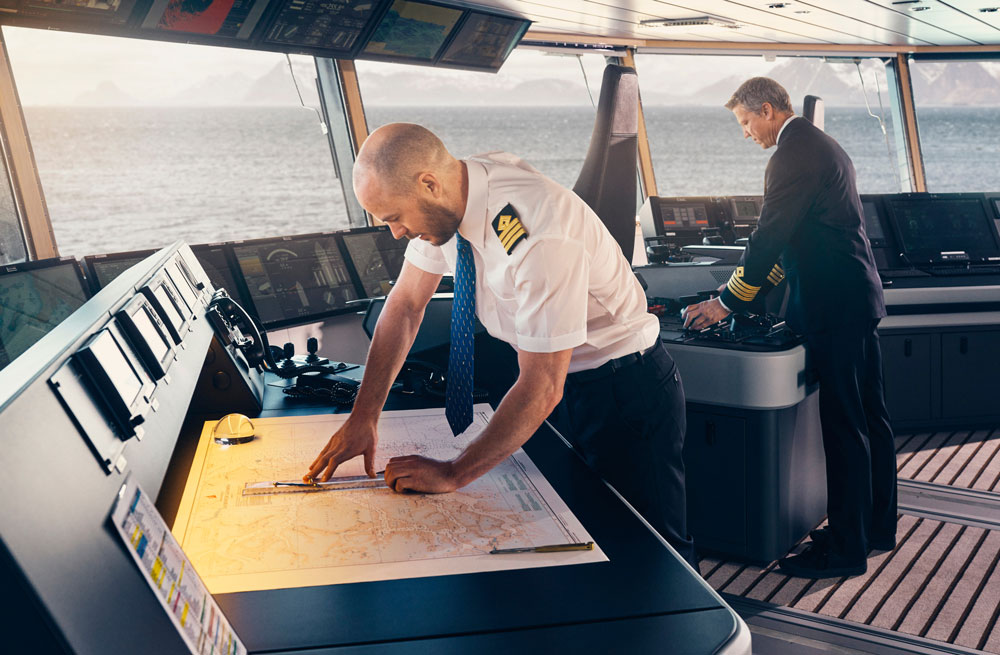
You’ll find our captains are engaged, knowledgeable members of your expedition who are eager to share their passion with you. National Geographic Endurance’s open bridge features comfortable spaces to sit, enjoy the view, drink your morning coffee, or simply chat with the officers.
National Geographic Endurance’s Tools for Exploration
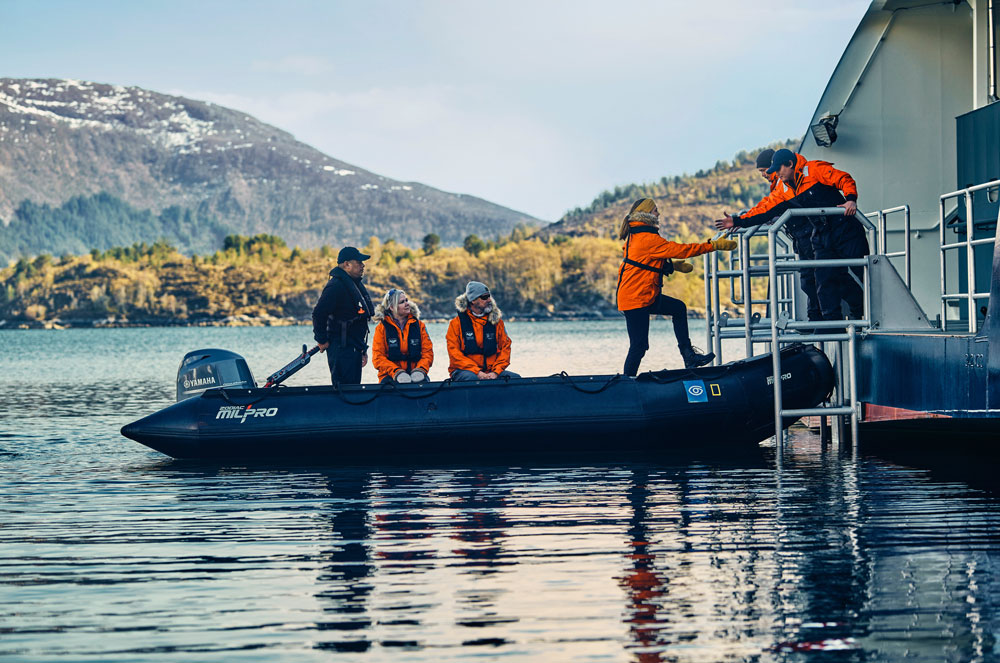
Expedition Landing Craft
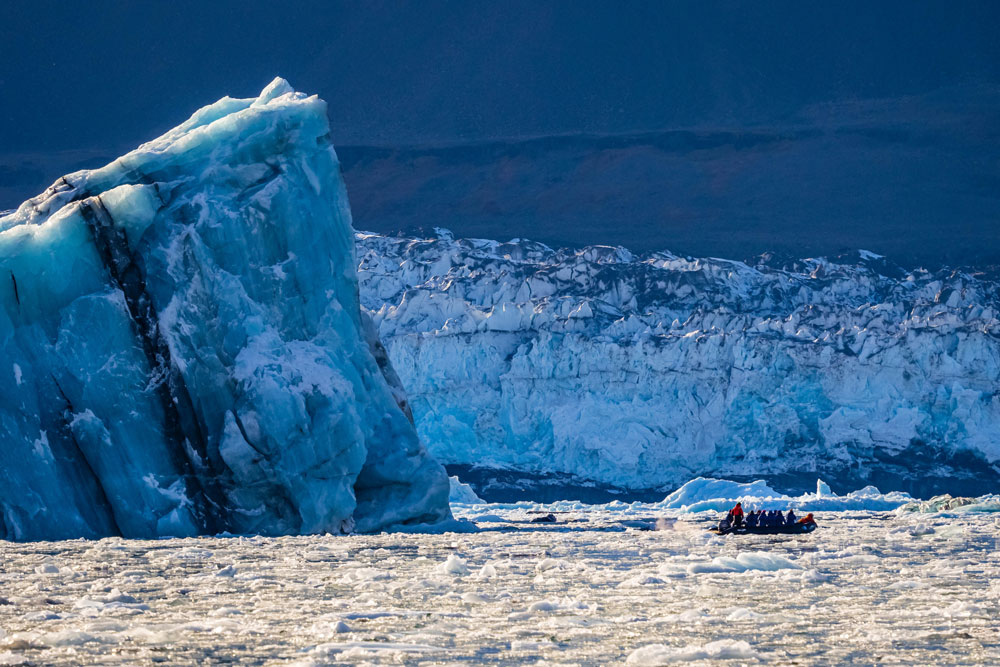
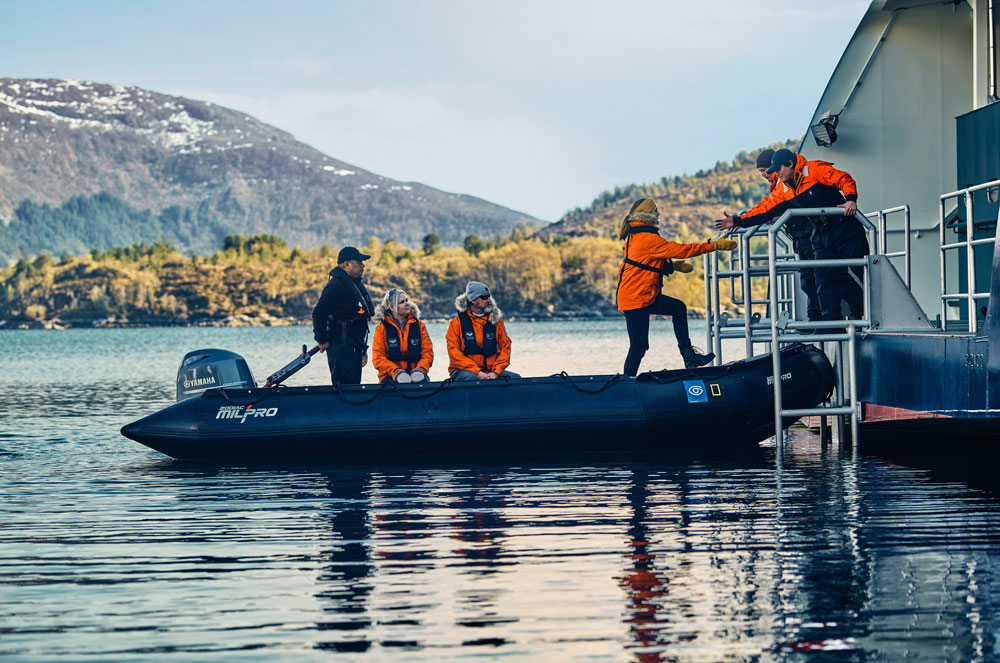
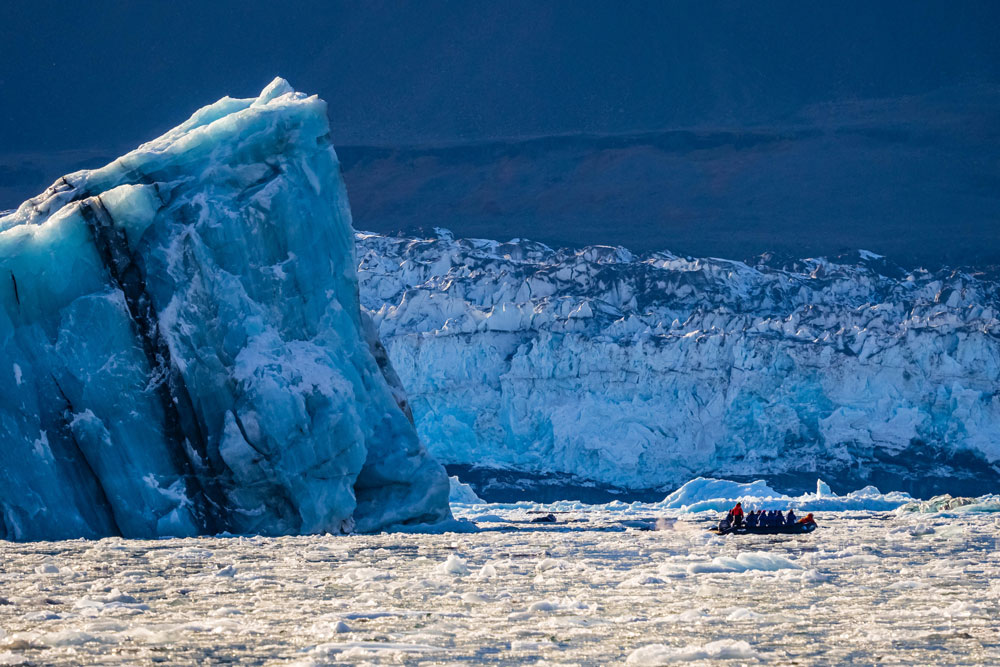
Key to our operation is our fleet of expedition landing craft, which we use to land in places that would otherwise be inaccessible. With 14 of these boats and two loading stations used every time we disembark, we’re able to transfer guests off the ship quickly, so you can be out on adventures, not idly waiting. The expedition landing craft we use are 19 feet long, powered by four-stroke outboard engines, and are capable of comfortably carrying 10-12 people. They are widely recognized as the safest and most versatile small boats afloat.
Remotely Operated Vehicle (ROV)
Capable of reaching 1,000 feet, far beyond the range of any Scuba diver, the ROV allows you to literally view parts of the undersea that are as unexplored as the Moon. Chances are, you, like many of our guests, will be struck by how surprisingly colorful undersea life is in these unlikely places. This glimpse may fundamentally change how you view the ocean!
Kayaks
National Geographic Endurance will be equipped with a fleet of kayaks large enough to ensure everyone who wants to can paddle at every opportunity, conditions permitting. Prior kayaking experience isn’t necessary—many of our guests have their first kayaking experience in extraordinary locations. Our custom-designed floating platform lets us deploy kayaks from the ship, or any location we want—including far from shore. Kayakers are usually free to explore where they want within boundaries set by the undersea specialist and officer of the watch.
Underwater camera
Our undersea specialist will dive often during your expedition, even in the polar regions, with cold-water gear, to shoot high-definition, Cousteau-like footage of the deep. Colorful nudibranchs, swimming, plant-like crinoids, and mysterious fish with antifreeze blood that thrive in the frigid sea will give you an entirely new appreciation of the marine environment.
Video microscope
Naturalists will use the video microscope to help explain all elements of the environment, including tiny organisms that are the building block of the marine ecosystem. Spellbinding live views of krill at 80x magnification populate the high-definition screens in the lounge with vivid detail and fills every onlooker with a sense of wonder at the importance of otherwise unobservable creatures.
Hydrophone
This underwater microphone is deployed to listen to the vocalizations of marine mammals. Real time transmissions of their eerie, haunting sounds can be broadcast or recorded for later playback. Few experiences in nature are as captivating as watching humpback whales feed close to the ship as their vocalizations play through the ship’s PA system.
Special Features
- Full-time doctor
- Undersea specialist
- Expert photographer
- Lindblad photo instructor
- Internet café
- Laundry service

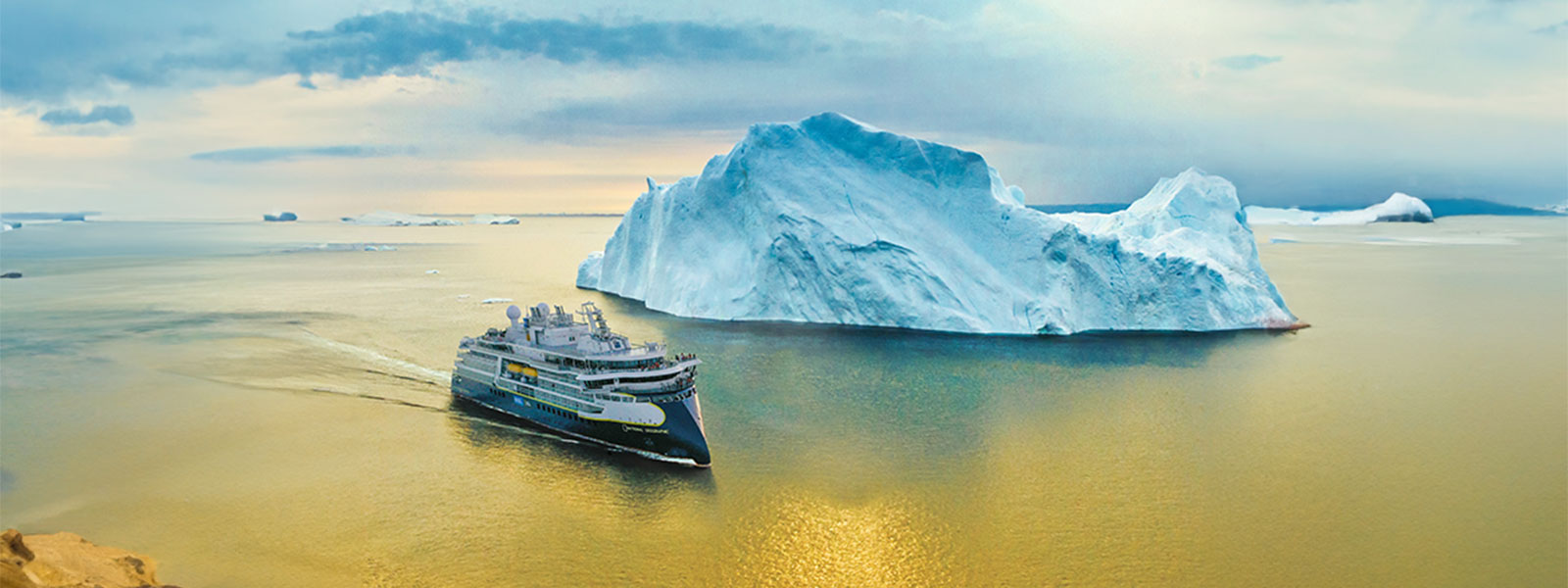
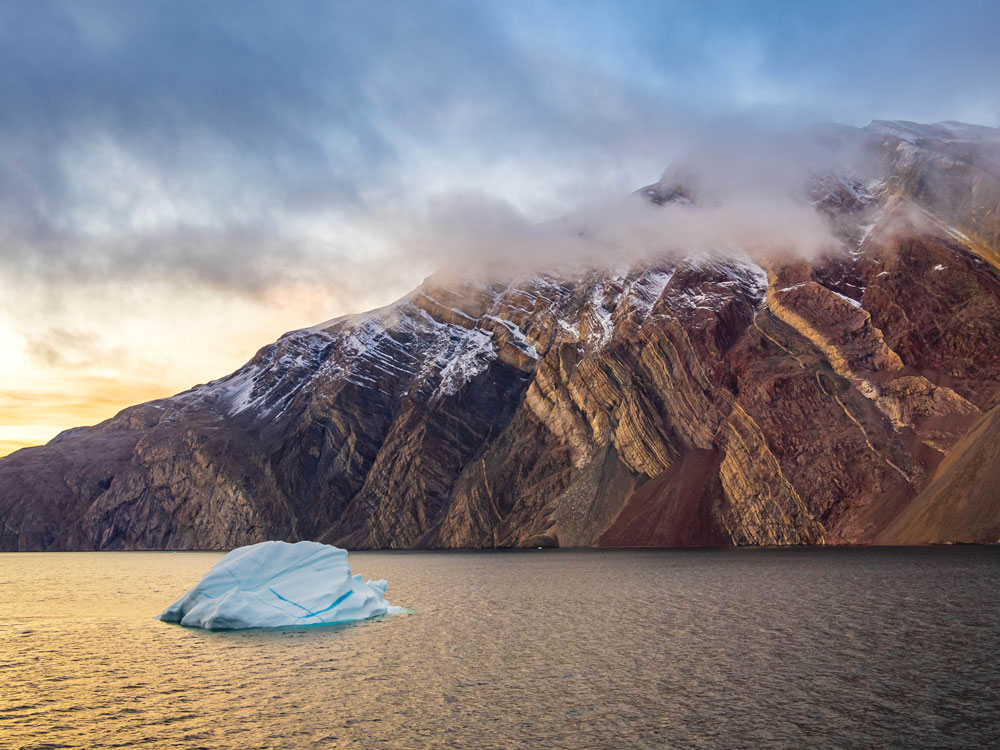
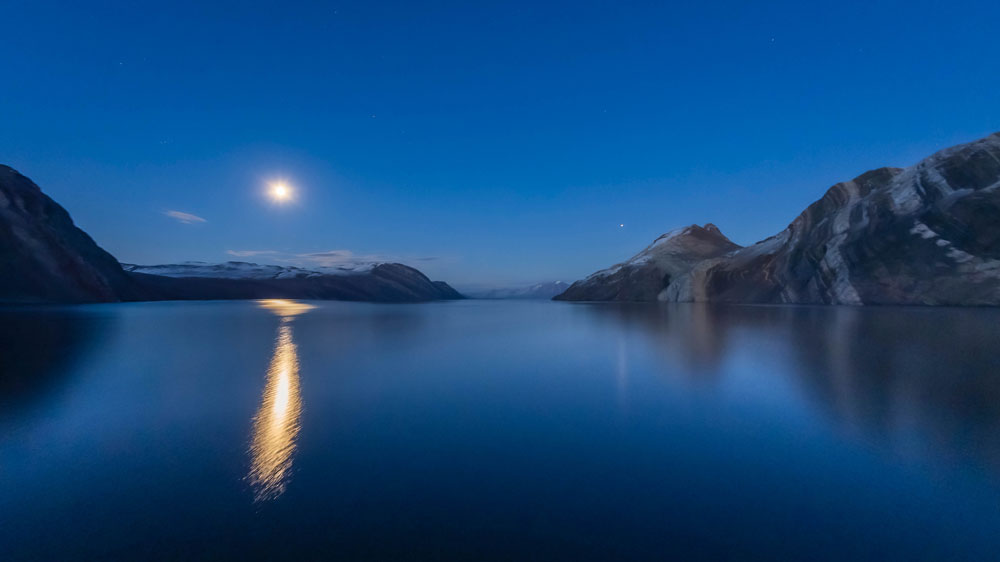
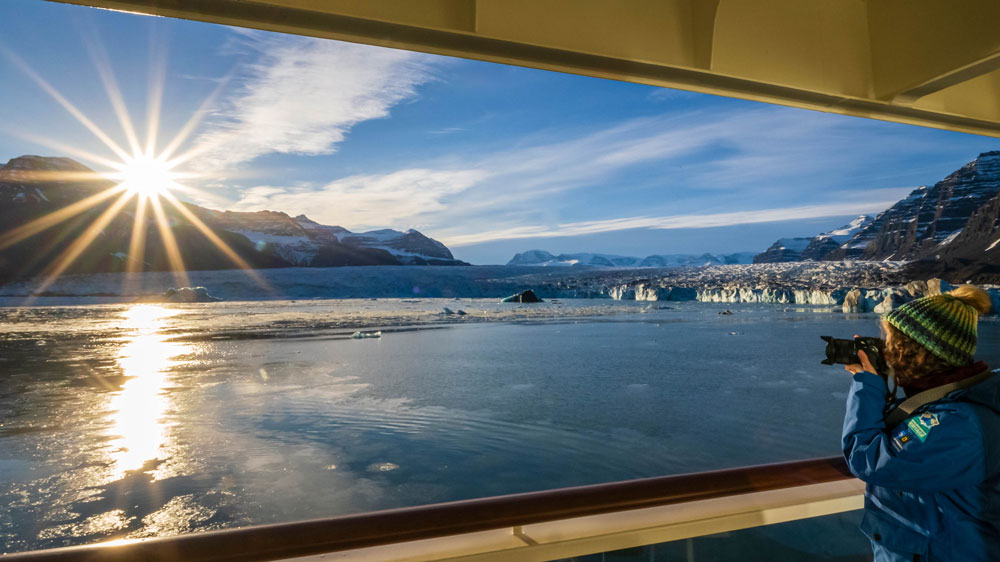
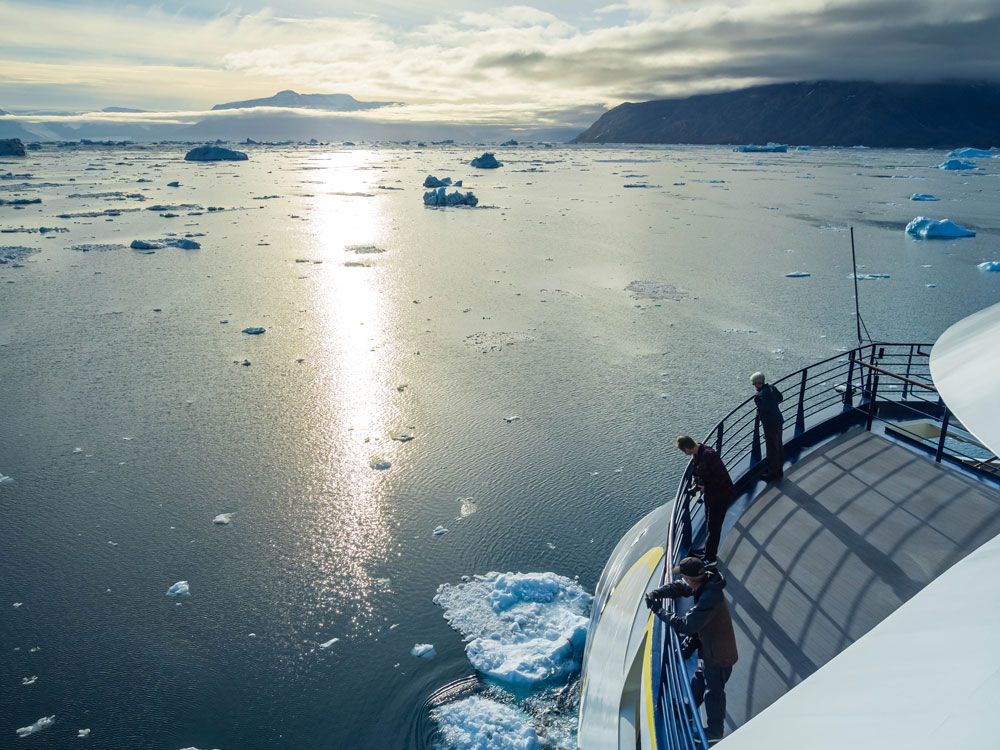
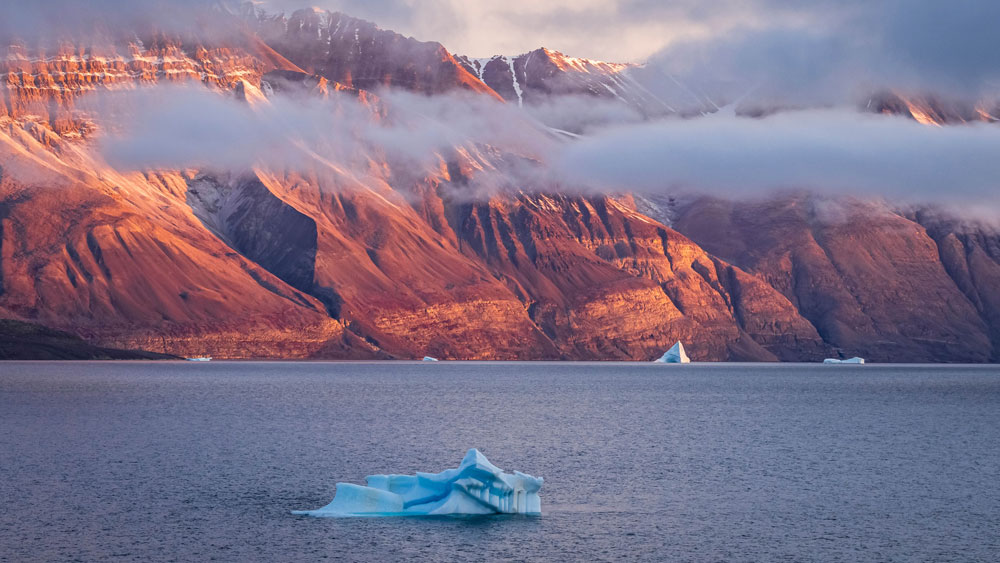
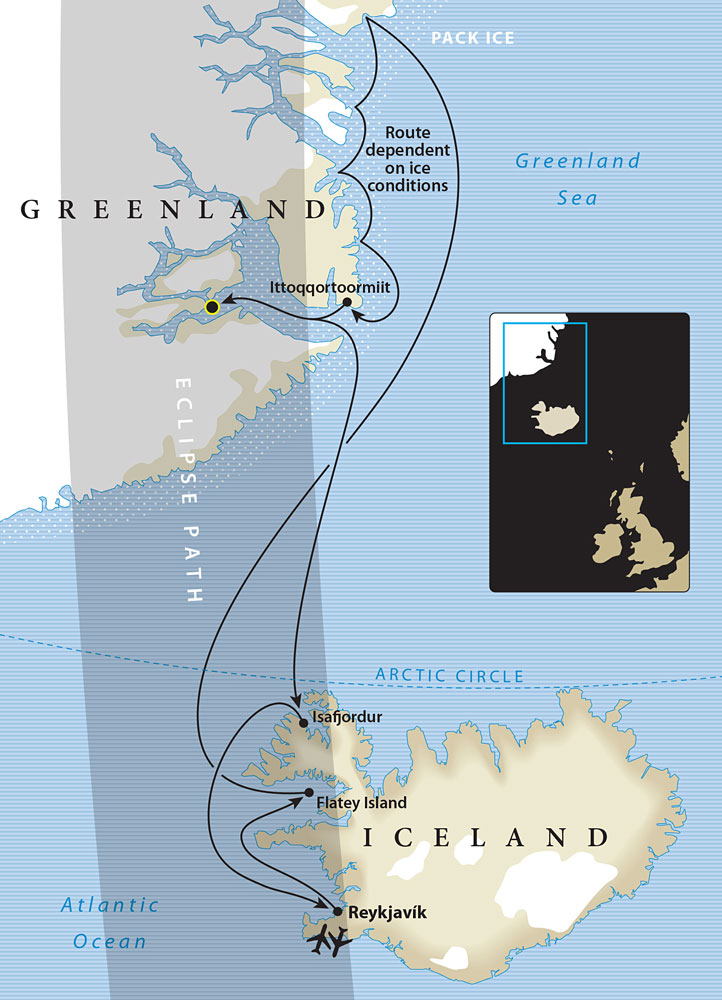 Imagine you’re on the deck of an expedition ship, anchored in a fjord beneath snow-capped peaks on Greenland’s eastern coast. Overhead, seabirds wheel and dive, snatching fish from under the waves before soaring back up to their colonies in the cliffs. Our guide points out a polar bear picking its way along a rocky shoreline exposed by the receding ice sheet. Then, looking toward the open sea, you spot a patch of water churned to foam by the flukes of a sounding whale. Conditions permitting, ...Show more